Uncovering the Myths of Sound Healing: What Science Says


Introduction to Sound Healing
Sound healing has captivated many with its promise of relaxation and wellness. From ancient practices to modern wellness centers, the use of sound for healing purposes has gained significant attention. However, alongside its popularity, numerous myths have emerged about what sound healing can truly achieve. In this post, we explore these myths and examine what science has to say.
Common Myths About Sound Healing
Myth 1: Sound Healing Can Cure Diseases
One of the most prevalent myths is that sound healing can cure diseases. While sound therapy can promote relaxation and improve mental well-being, it is not a substitute for medical treatment. It's important to approach sound healing as a complementary practice rather than a primary cure.
Myth 2: All Sound Healing Practices Are the Same
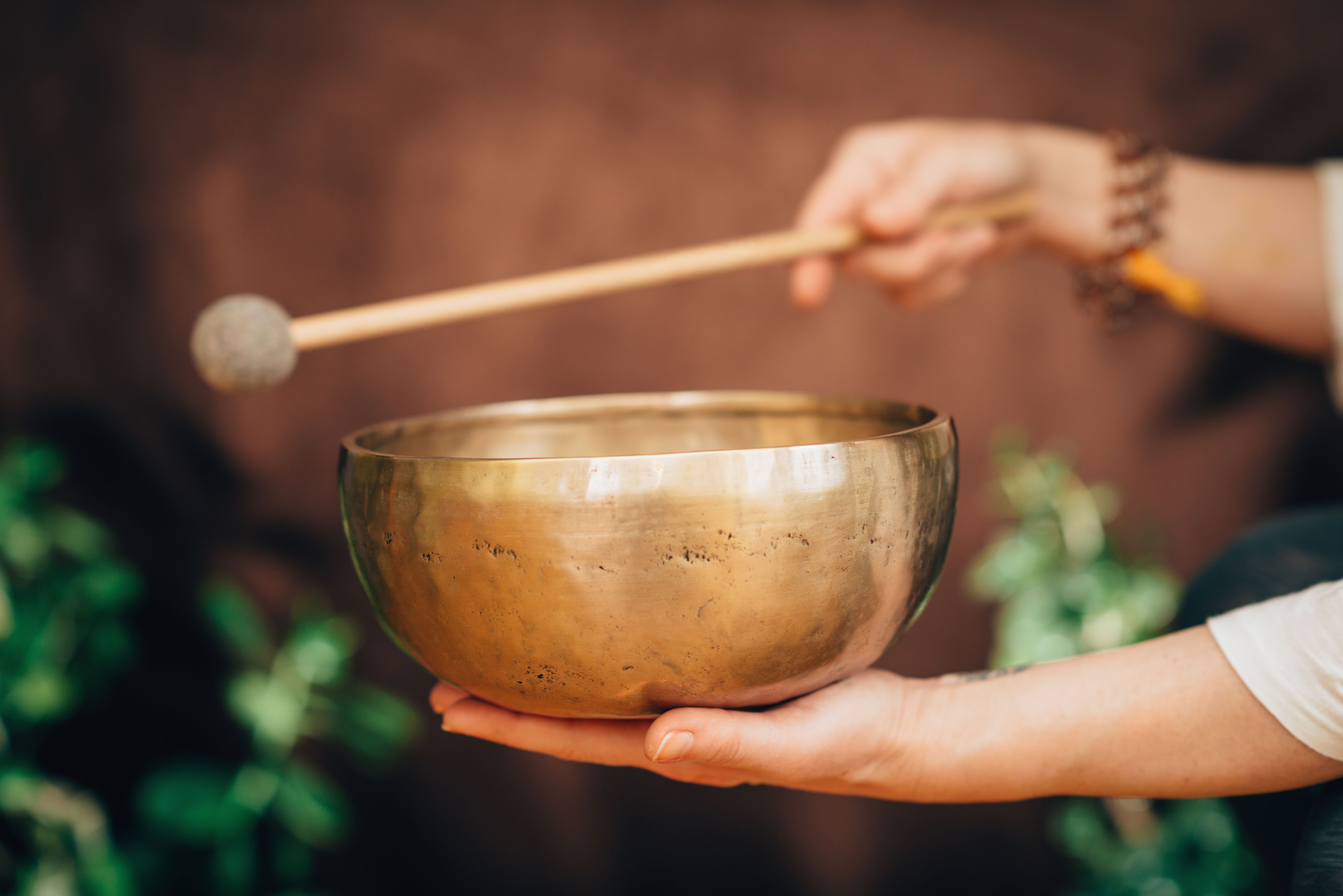
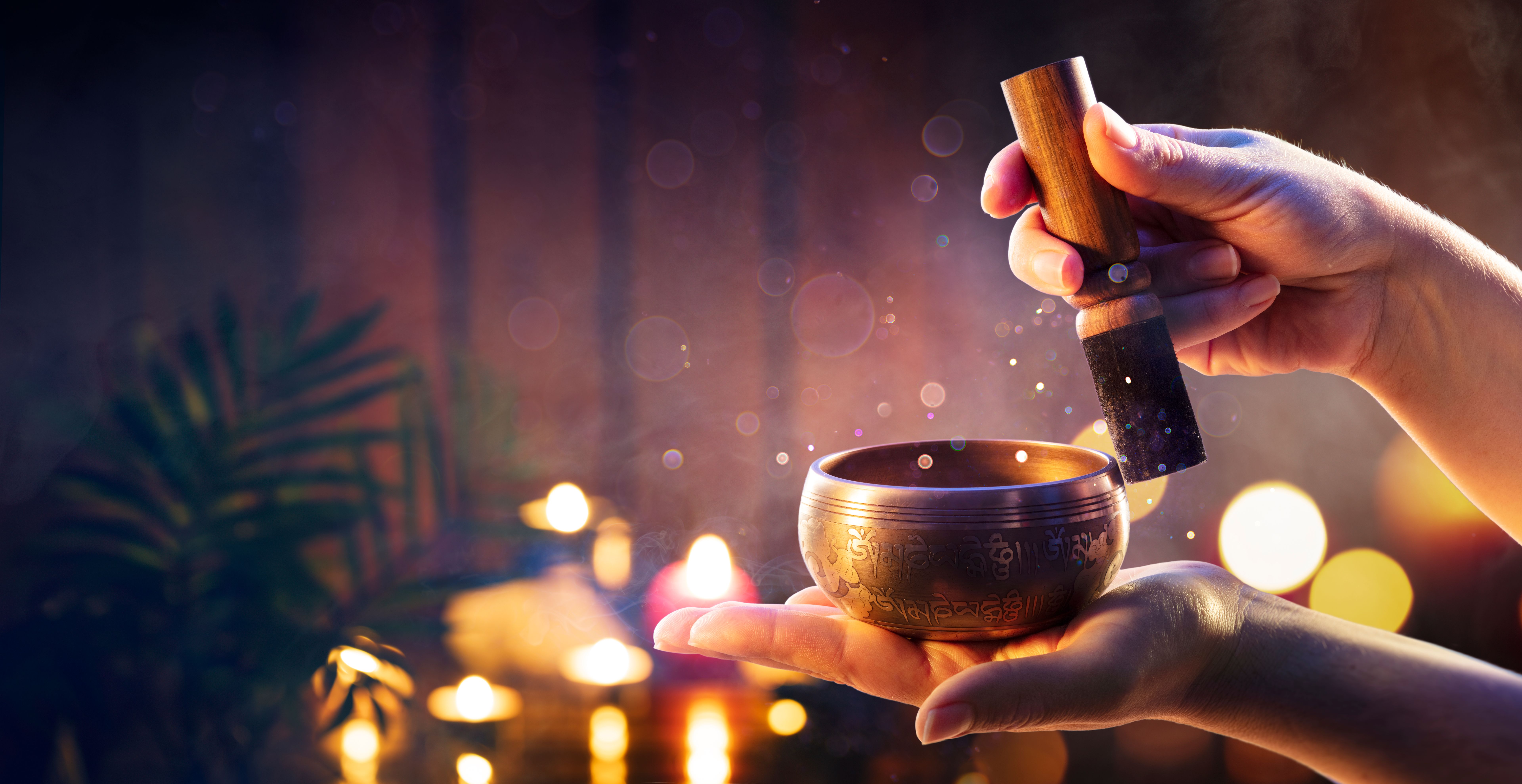
Sound healing encompasses a wide range of practices, from Tibetan singing bowls to tuning forks and sound baths. Each method employs different frequencies and techniques to achieve various outcomes. Understanding the diversity in sound healing can help individuals choose the practice that best suits their needs.
The Science Behind Sound Healing
The Role of Frequency and Vibration
Scientific studies have shown that sound frequencies can influence brainwave activity. Certain frequencies can lead to states of deep meditation or heightened awareness. This is known as brainwave entrainment, where external rhythms synchronize with the brain's internal rhythms.
Benefits Supported by Science
Research supports several benefits of sound healing, such as reduced stress and anxiety. Studies have indicated that sound therapy can lower cortisol levels, which is the hormone responsible for stress. Additionally, sound healing can improve sleep quality and enhance overall mood.
Practical Applications and Considerations
Incorporating Sound Healing Into Daily Life
Sound healing can be easily integrated into daily routines. Practices like listening to calming music or participating in guided sound meditations can provide relaxation and stress relief. It’s important to find a practice that resonates with you personally.
Consulting Professionals
Before diving into sound healing, consulting with a professional can be beneficial. They can offer guidance on the most suitable practices and help tailor sessions to your specific needs. Always remember to combine sound healing with traditional healthcare practices for optimal results.
Conclusion
Sound healing offers a fascinating blend of ancient tradition and modern science. While it has its limitations, the benefits it provides are backed by scientific research. By dispelling myths and understanding its true capabilities, individuals can make informed decisions about incorporating sound healing into their wellness journey.