Sound Therapy vs. Traditional Meditation: Which is Right for You?


Understanding Sound Therapy
Sound therapy involves using specific tones, frequencies, and vibrations to promote physical and emotional healing. By engaging with sound, individuals can experience reduced stress, improved concentration, and enhanced well-being. Sound baths and tuning fork therapy are popular methods used in sound therapy, where participants immerse themselves in ambient sounds.
One of the main benefits of sound therapy is its ability to quickly change brainwave states. This can lead to deep relaxation and even altered states of consciousness that promote healing. Many practitioners believe that sound therapy can help release emotional blockages and improve mental clarity.

Exploring Traditional Meditation
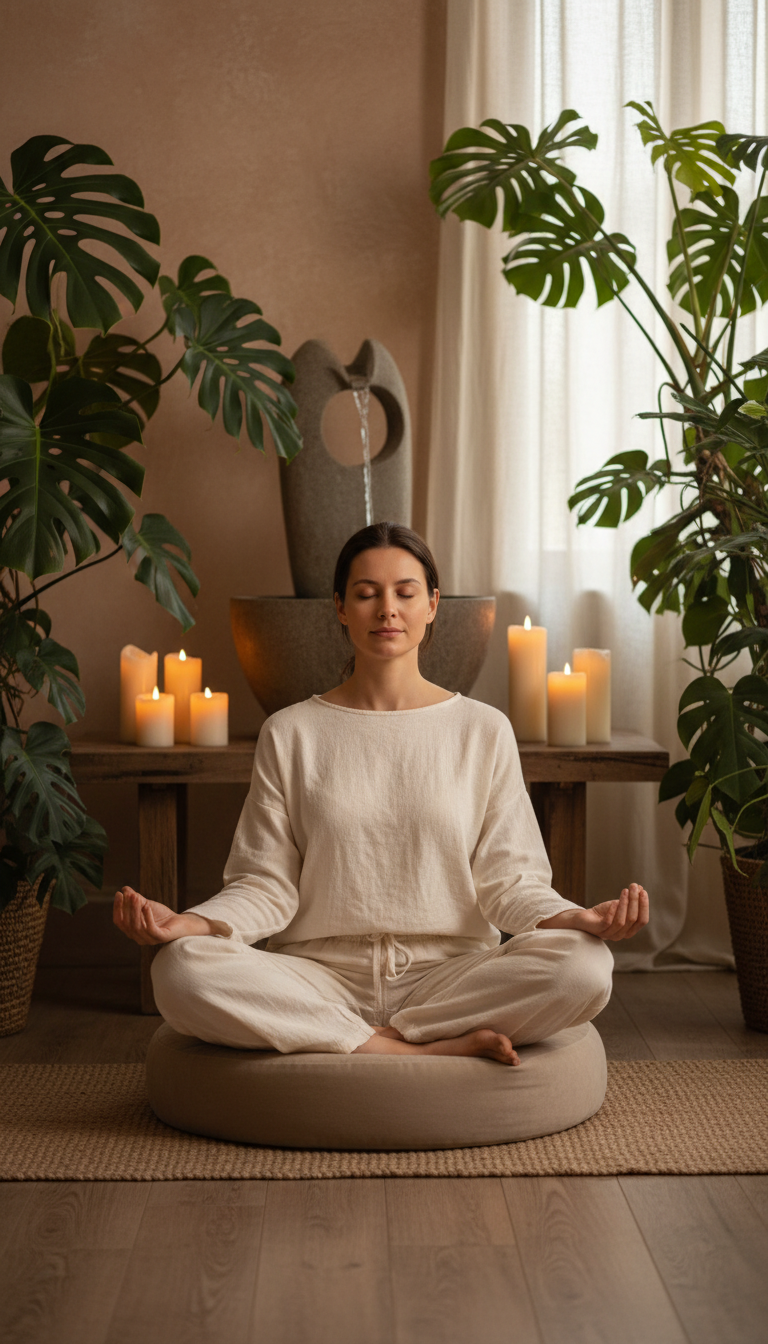
Traditional meditation, on the other hand, is an ancient practice focused on breath, mindfulness, and the cultivation of inner peace. It typically involves sitting in silence, focusing on the present moment, and letting go of distracting thoughts. This practice can be done alone or in a group setting and often requires consistency for maximum benefits.
One of the core benefits of traditional meditation is its ability to foster a state of mindfulness, which has been shown to reduce anxiety, enhance emotional health, and improve overall mental well-being. Many people find that regular meditation helps them build resilience against stress and improve their focus.

Comparing the Benefits
While both sound therapy and traditional meditation aim to enhance well-being, they differ in approach and benefits. Sound therapy offers a more passive experience, where the participant is immersed in sound, allowing the vibrations to work on a subconscious level. In contrast, traditional meditation requires active participation and mental discipline, fostering a mindful awareness of one's thoughts and surroundings.
- Sound Therapy: Quick relaxation, emotional release, enhanced concentration.
- Traditional Meditation: Mindfulness, stress reduction, emotional resilience.
Choosing the Right Practice for You
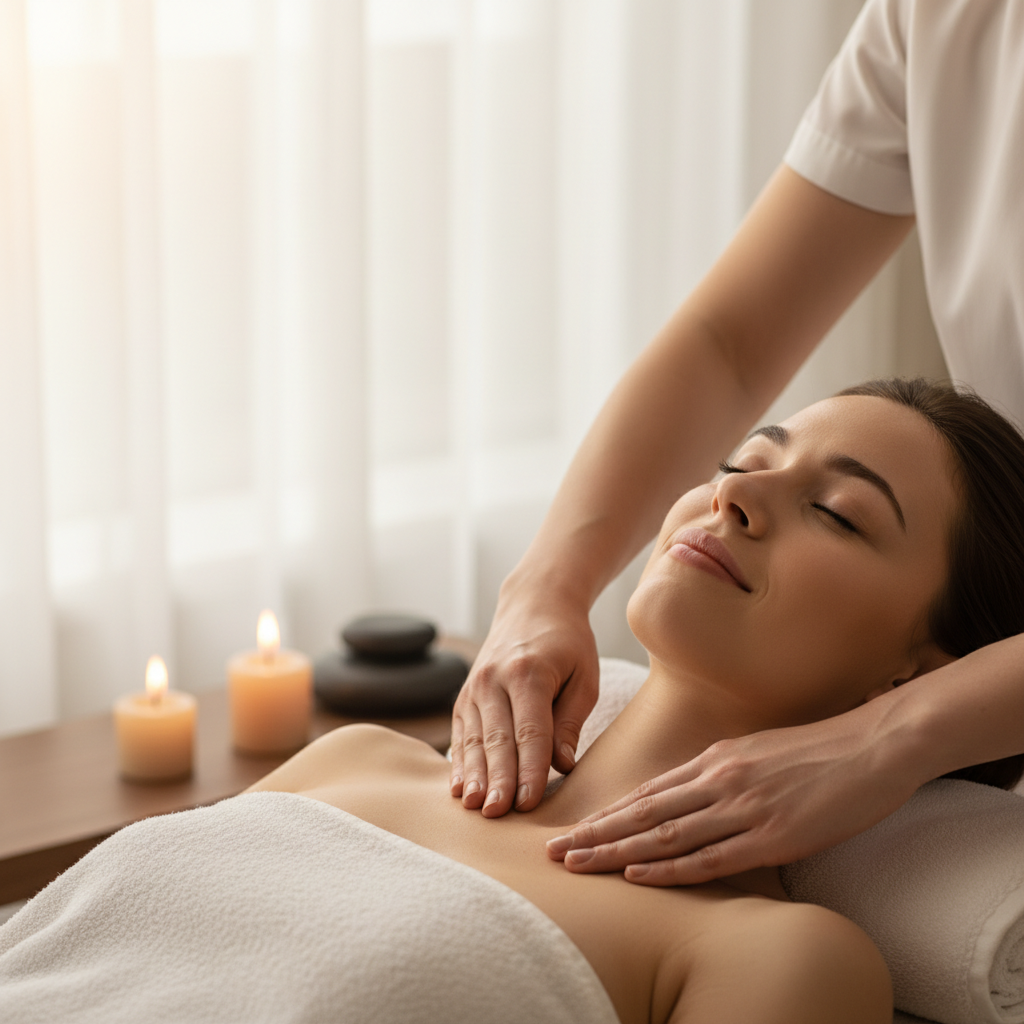
Deciding between sound therapy and traditional meditation depends on personal preferences and specific needs. If you prefer a guided and sensory-rich experience, sound therapy might be more appealing. It's an excellent choice for those looking to quickly alleviate stress without extensive practice.
Conversely, if you seek to cultivate a long-term practice that develops mindfulness and emotional resilience, traditional meditation may be the better option. It requires dedication and consistency but offers profound benefits over time.
Integrating Both Practices
For many, a combination of both sound therapy and traditional meditation can provide a balanced approach to well-being. Incorporating sound therapy sessions into a regular meditation routine can enhance relaxation and deepen the meditative experience.
Ultimately, experimenting with both practices can help you discover what resonates most with you. Whether you choose one or integrate both, the key is to find a practice that supports your journey toward greater peace and well-being.