
Sound Healing vs. Traditional Therapy: Which Is Right for You?


Understanding Sound Healing
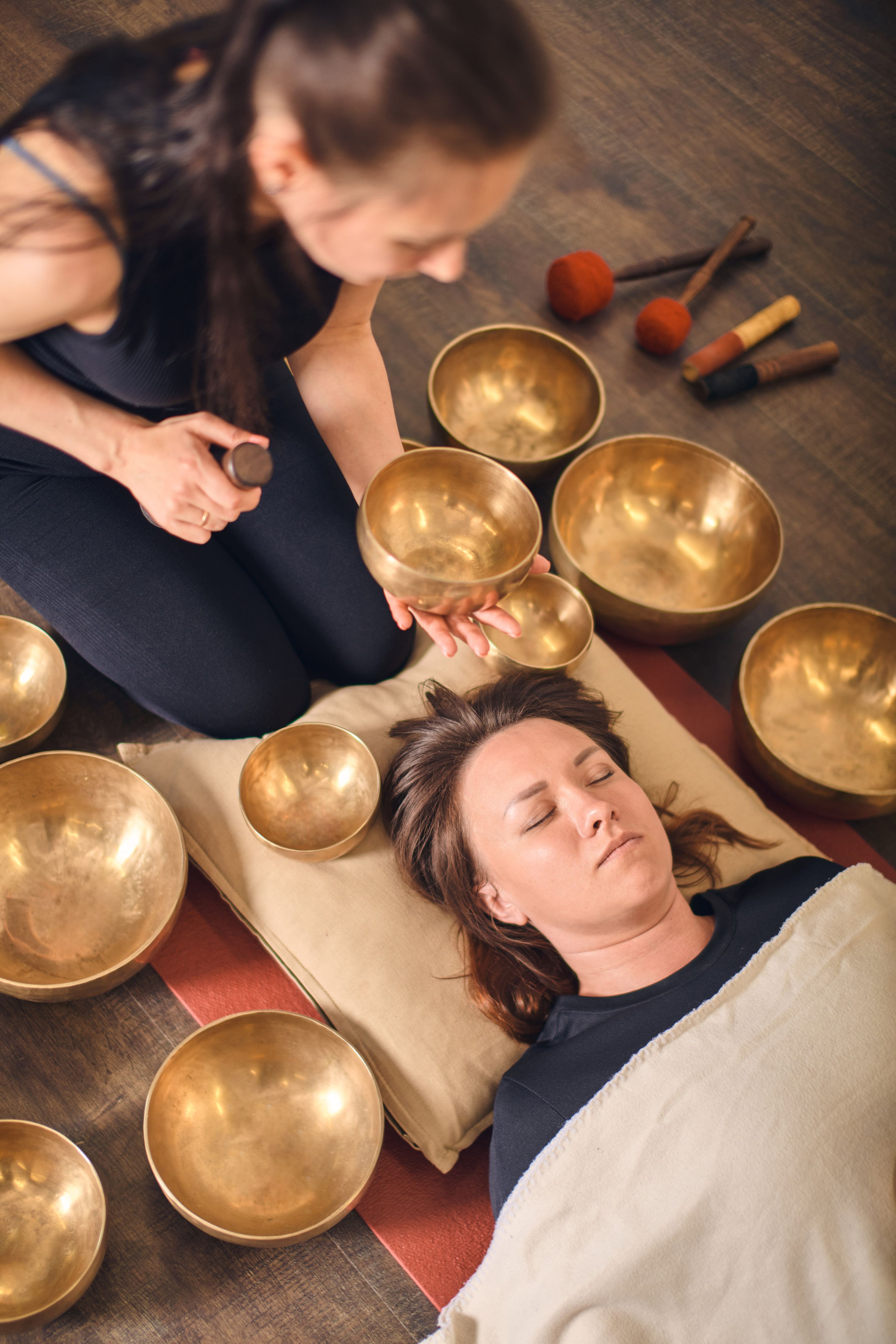
Sound healing is an ancient practice that uses sound vibrations to promote physical, mental, and emotional well-being. This holistic approach employs various instruments such as singing bowls, tuning forks, and gongs to create therapeutic sounds. The idea is that these vibrations can help clear energetic blockages and facilitate healing on multiple levels.
Many people find sound healing to be a deeply relaxing experience. It can reduce stress, improve sleep, and enhance overall mood. Unlike traditional therapy, which often involves talking through issues, sound healing is a passive experience where individuals can simply lie back and absorb the vibrations.
Benefits of Sound Healing
Sound healing offers several benefits, both physical and emotional. Some of the key advantages include:
- Stress Reduction: The soothing sounds can lower stress levels and promote relaxation.
- Improved Focus: Many find that sound healing helps clear the mind and improve concentration.
- Emotional Release: It can facilitate the release of trapped emotions and promote emotional balance.
Exploring Traditional Therapy
Traditional therapy, often referred to as talk therapy or psychotherapy, involves working with a licensed therapist to address mental health issues and personal challenges. This approach relies on conversation and exploration of thoughts and feelings to gain insights and develop coping strategies.
Therapists may use various techniques, such as cognitive-behavioral therapy (CBT) or psychodynamic therapy, to tailor the sessions to the individual's needs. The goal is to help individuals understand their emotions, change negative thought patterns, and improve their overall mental health.

Benefits of Traditional Therapy
Traditional therapy has a long history of helping individuals work through complex issues. Some of the key benefits include:
- Personalized Support: Therapy provides a tailored approach to address specific challenges.
- Skill Development: Individuals can learn coping mechanisms and strategies to manage stress and emotional difficulties.
- Long-Term Change: Therapy aims to create lasting change through understanding and behavioral adjustments.
Choosing the Right Approach for You
Deciding between sound healing and traditional therapy depends on your personal preferences and needs. If you are looking for a non-invasive, meditative experience, sound healing might be the right choice. It can be a great complement to other wellness practices and is often used as a form of self-care.
On the other hand, if you are dealing with specific mental health challenges or seeking to understand deep-seated emotional issues, traditional therapy might be more appropriate. The structured approach and professional guidance can provide valuable insights and tools for personal growth.

Integrating Both Methods
For some, a combination of sound healing and traditional therapy can be highly effective. Integrating both methods allows individuals to benefit from the deep relaxation and emotional release of sound healing while also gaining the structured support and insight of traditional therapy.
Ultimately, the choice between sound healing and traditional therapy should be based on your unique needs and goals. Exploring both options can provide a well-rounded approach to personal wellness and growth.