
Reiki and Its Benefits: A Closer Look at Energy Healing


Understanding Reiki
Reiki is a form of energy healing that originated in Japan in the early 20th century. It is based on the belief that a universal life force energy flows through all living beings. Practitioners of Reiki aim to channel this energy to promote physical, emotional, and spiritual healing. Reiki is non-invasive and can be used alongside other therapies.
The word Reiki is derived from two Japanese words: "Rei," meaning "universal," and "Ki," meaning "life energy." The practice involves the transfer of energy from the practitioner's hands to the patient to encourage healing and balance.
The Practice of Reiki
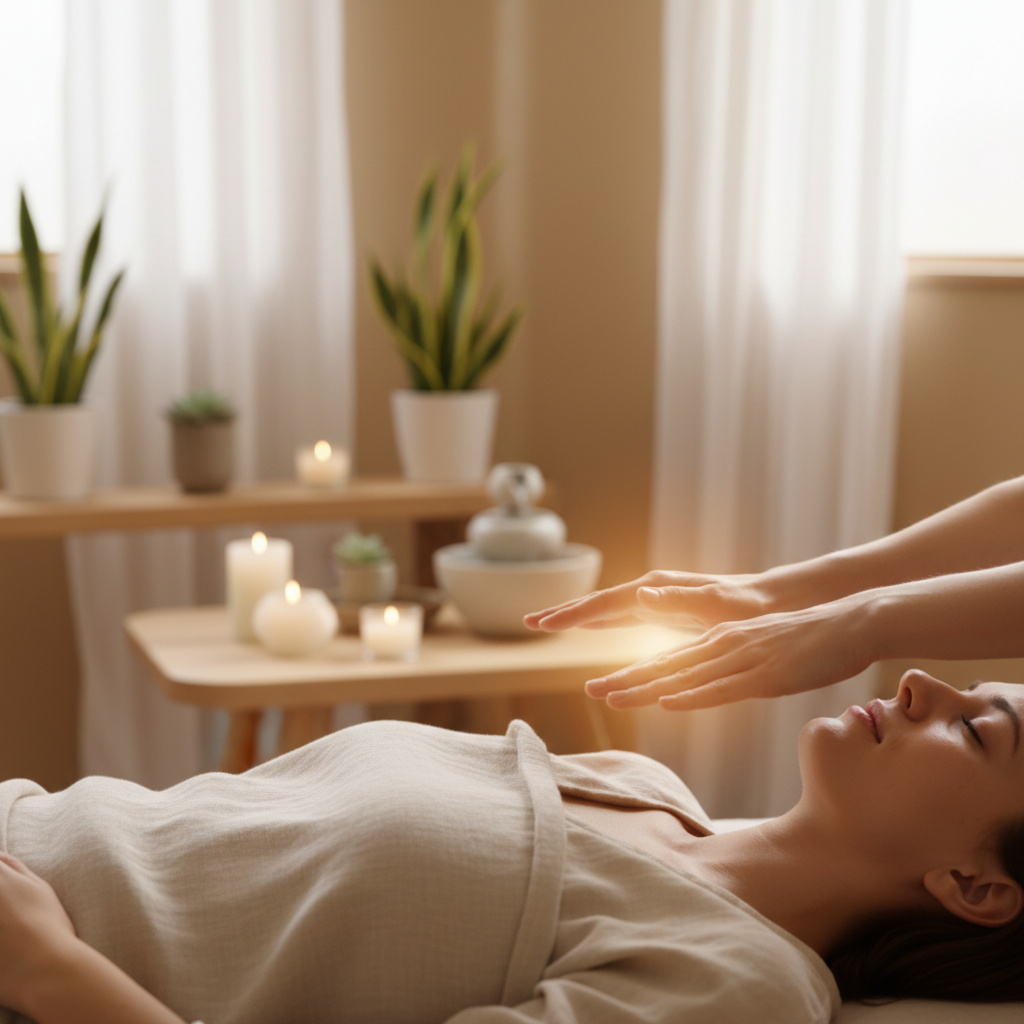
During a typical Reiki session, the recipient lies down fully clothed while the practitioner places their hands lightly on or just above specific areas of the body. These hand positions are intended to cover the body’s main energy centers, promoting relaxation and healing.
Sessions usually last between 45 and 90 minutes. Many people report feeling a sense of warmth or tingling during the process, which can be deeply relaxing. Some even fall asleep during the session due to the calming effects.
Benefits of Reiki
Reiki offers numerous potential benefits, both physical and emotional. It can help reduce stress and anxiety, promote relaxation, and improve overall well-being. Some of the key benefits include:
- Stress Reduction: Reiki promotes a state of relaxation that can help reduce stress levels.
- Enhanced Mood: Many people report improved mood and emotional clarity following a session.
- Pain Relief: Some studies suggest that Reiki can help alleviate pain, particularly chronic pain conditions.
- Improved Sleep: The relaxation induced by Reiki can lead to better sleep quality.

Reiki for Emotional and Spiritual Healing
Beyond physical benefits, Reiki is also known to support emotional and spiritual healing. It encourages self-awareness and can help individuals connect more deeply with themselves. This connection can lead to a better understanding of one’s emotions and spiritual path.
Reiki practitioners often emphasize the importance of self-care and self-awareness as part of the healing process. By promoting mindfulness and inner peace, Reiki can be a valuable tool for personal growth.
Who Can Benefit from Reiki?
Reiki is suitable for people of all ages and backgrounds. It can be particularly beneficial for those experiencing stress, anxiety, or chronic pain. Additionally, individuals seeking a complementary therapy to enhance their overall well-being may find Reiki to be a valuable addition to their routine.
While Reiki is generally safe, it is important to consult with a healthcare provider before starting any new treatment, especially if you have specific health concerns or conditions.

Conclusion
Reiki is a gentle, non-invasive energy healing practice that offers a range of potential benefits. Whether you are looking to reduce stress, improve your mood, or enhance your spiritual well-being, Reiki may provide a pathway to balance and healing.
As with any therapeutic practice, the effectiveness of Reiki can vary from person to person. Exploring Reiki with an open mind may open doors to new and enriching experiences on your journey to health and happiness.