
Planning Your Private Sound Bath Experience: A Step-by-Step Guide


Understanding Sound Baths
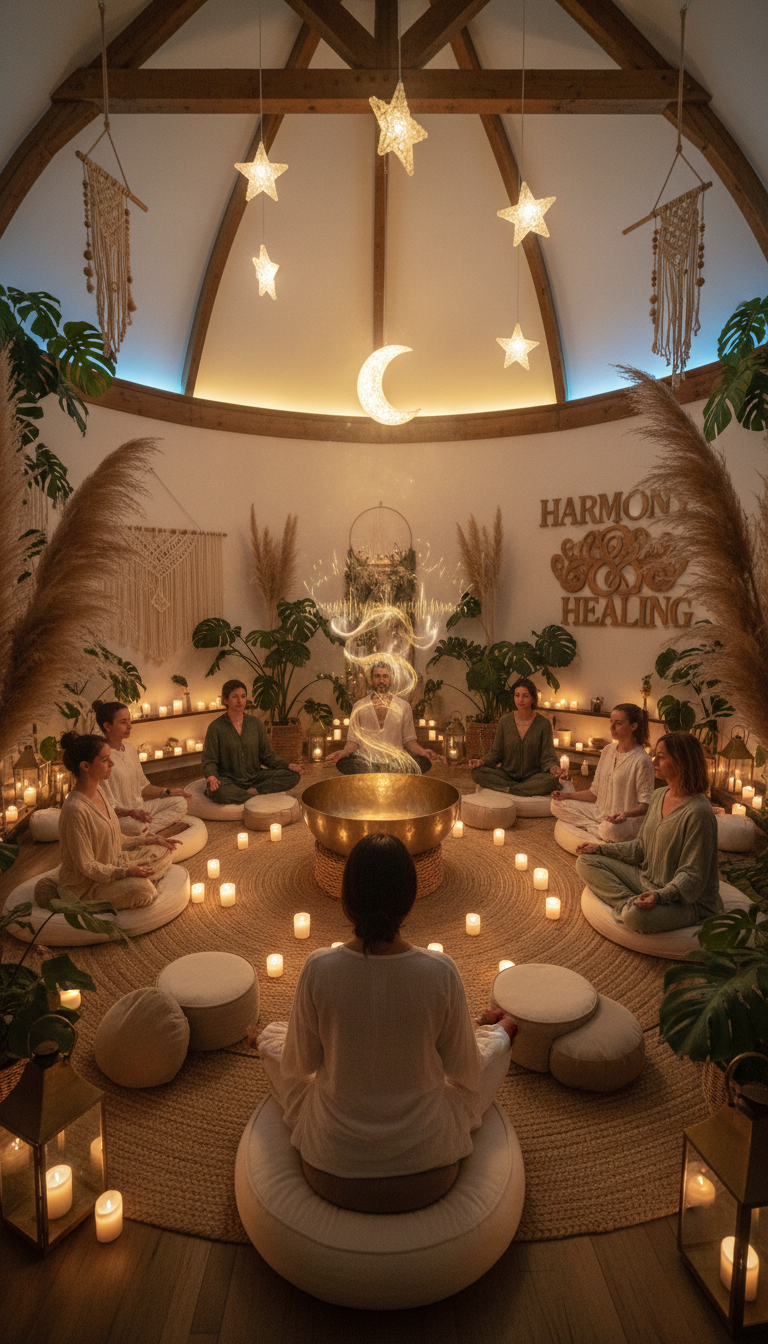
Sound baths are immersive, meditative experiences where participants are enveloped in soothing sounds and vibrations from various instruments. Commonly used instruments include singing bowls, gongs, and chimes. These sessions promote deep relaxation and have been known to reduce stress and anxiety.
While public sound baths are popular, a private session offers a more personalized experience, tailored to your specific needs and preferences. Whether you're seeking relaxation, healing, or a deeper meditative state, planning your own private sound bath can be a rejuvenating journey.
The Benefits of a Private Sound Bath
A private sound bath allows for a customized session focused on your individual goals. You can choose the instruments, the duration, and even the setting. This personalized approach can enhance the overall therapeutic effects, allowing for a deeper connection and more profound healing.
Moreover, having a private session means you won't be distracted by others, making it easier to fully immerse yourself in the experience. The privacy also allows you to express emotions freely, which can be an essential part of the healing process.
Setting Up Your Space
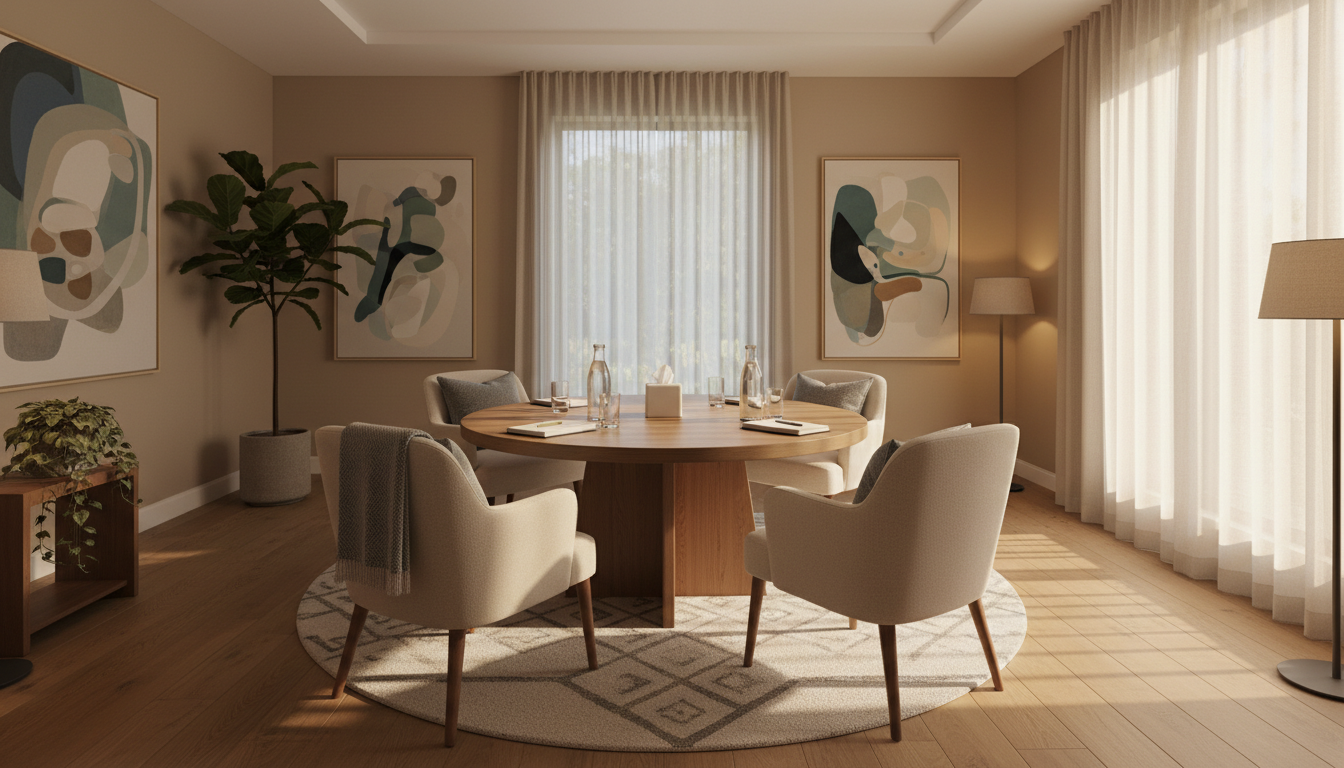
Creating the right environment is crucial for a successful sound bath. Choose a quiet, comfortable space where you won't be disturbed. Consider adding soft lighting, such as candles or dim lamps, to create a calming atmosphere.
Ensure you have comfortable seating or lying arrangements like cushions, mats, or blankets. The goal is to create a space where you feel safe and relaxed, allowing you to fully embrace the experience.
Selecting Your Instruments
The choice of instruments can significantly influence your sound bath experience. Common options include:
- Singing bowls for gentle, harmonic tones.
- Gongs for deep, resonant vibrations.
- Chimes for light, soothing sounds.
Experiment with different instruments to find what resonates best with you. Some people prefer the deep vibrations of gongs, while others might find the gentle tones of singing bowls more relaxing.
Finding the Right Practitioner
If you're not conducting the sound bath yourself, finding a skilled practitioner is essential. Look for someone with experience and a style that aligns with your preferences. You can often find practitioners through wellness centers, yoga studios, or online directories.
Discuss your goals and any specific needs with your practitioner beforehand to ensure the session is tailored to your desires. A good practitioner will listen to your needs and create a soundscape that supports your journey.
Preparing for Your Session
Before your sound bath, it's helpful to prepare mentally and physically. Avoid heavy meals or stimulants like caffeine, as they can interfere with relaxation. Wear comfortable clothing and arrive with an open mind.
Consider setting an intention for your session. Whether it's to release stress, gain clarity, or simply relax, having a clear intention can enhance the effectiveness of the sound bath.
Post-Session Reflection
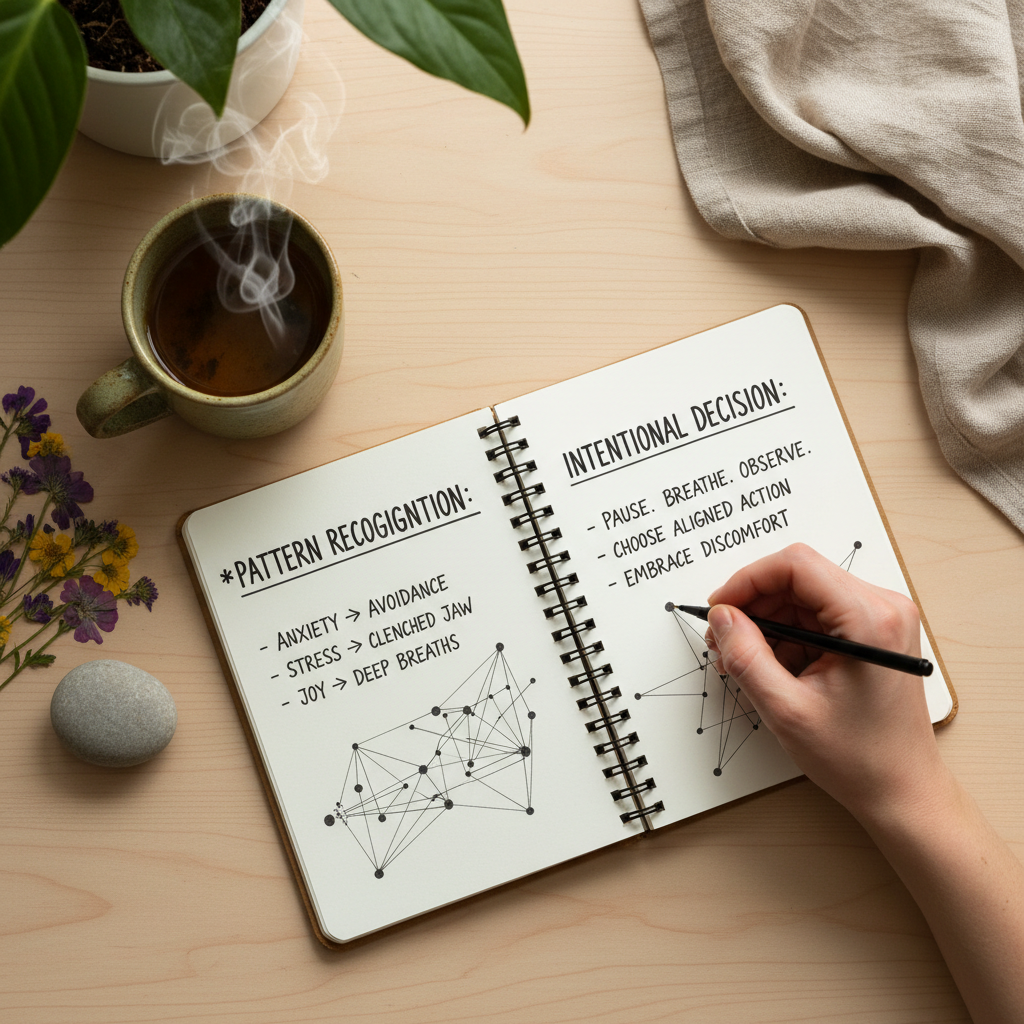
After your sound bath, take some time to reflect on the experience. Journaling can be a great way to capture any insights or emotions that arose during the session. Hydrate well and give yourself time to reintegrate into your daily routine.
Remember, the benefits of a sound bath can continue long after the session ends. Embrace the calm and clarity it brings, and consider making sound baths a regular part of your wellness routine.