
Myths and Facts About Sound Healing: What You Need to Know


Understanding Sound Healing
Sound healing is an ancient practice that has gained popularity in recent years. It involves using various sound frequencies to promote physical and emotional well-being. Despite its growing popularity, there are many myths surrounding this practice. In this article, we will explore some common myths and facts about sound healing to provide a clearer understanding.
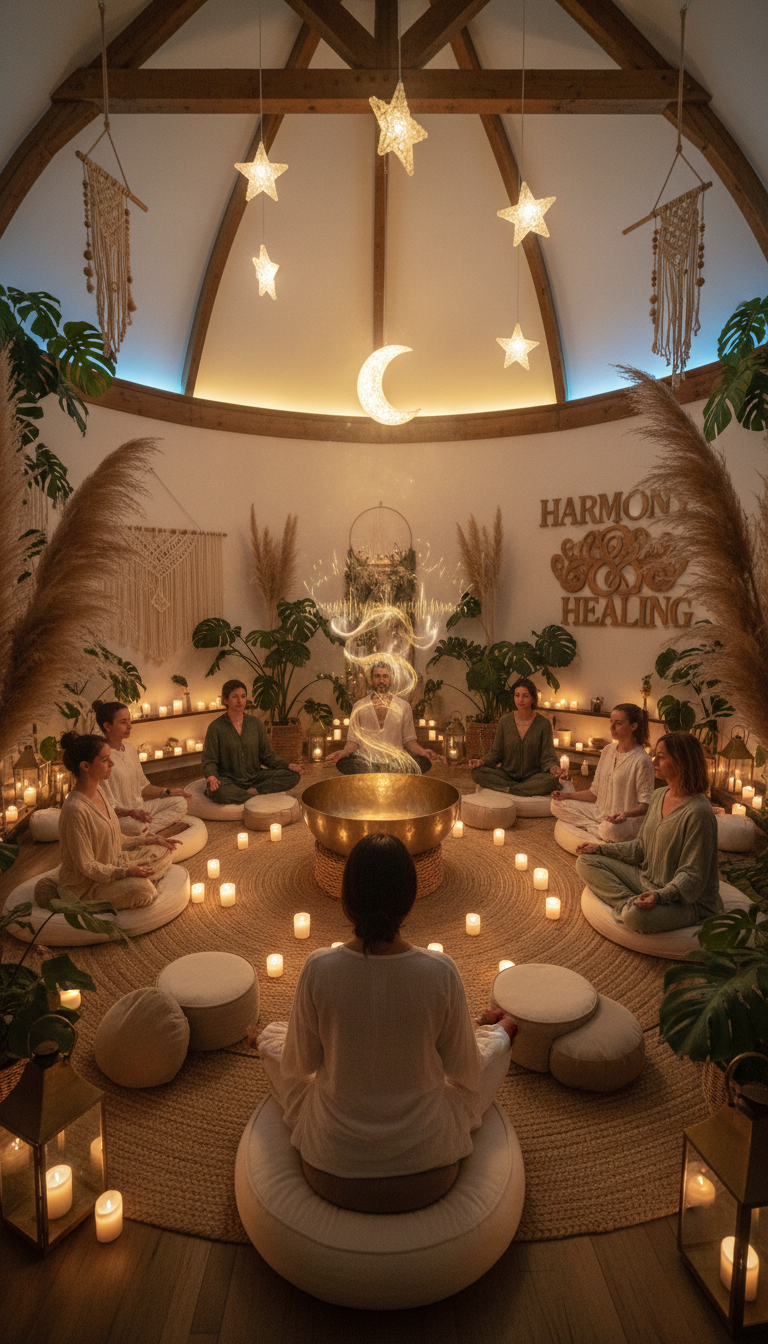
Myth: Sound Healing is a New Age Fad
One common misconception is that sound healing is merely a New Age trend. In reality, sound healing has been practiced for thousands of years across different cultures. Ancient civilizations, such as the Egyptians and Greeks, used sound as a healing tool, believing in its ability to restore harmony in the body.
Fact: Sound Frequencies Affect the Body
Scientific research supports the idea that sound frequencies can influence the body. Studies have shown that sound waves can affect brain wave patterns, helping to reduce stress and promote relaxation. This is why many people experience a sense of calm and well-being during sound healing sessions.

The Science Behind Sound Healing
Understanding the science behind sound healing can help dispel some of the myths. Sound frequencies can stimulate brainwave patterns, leading to altered states of consciousness. These states can promote healing by reducing stress, increasing relaxation, and enhancing mental clarity.
Myth: Sound Healing Cures All Illnesses
While sound healing can be beneficial, it is not a cure-all. It is important to recognize that it should be used as a complementary therapy rather than a replacement for traditional medical treatments. Sound healing can support overall well-being but should not be relied upon as the sole treatment for serious medical conditions.

Fact: Sound Healing Can Improve Mental Health
Many people find sound healing to be a powerful tool for improving mental health. It can help reduce anxiety, alleviate depression, and improve sleep quality. By promoting relaxation and reducing stress, sound healing can be an effective part of a holistic mental health treatment plan.
How to Incorporate Sound Healing into Your Life
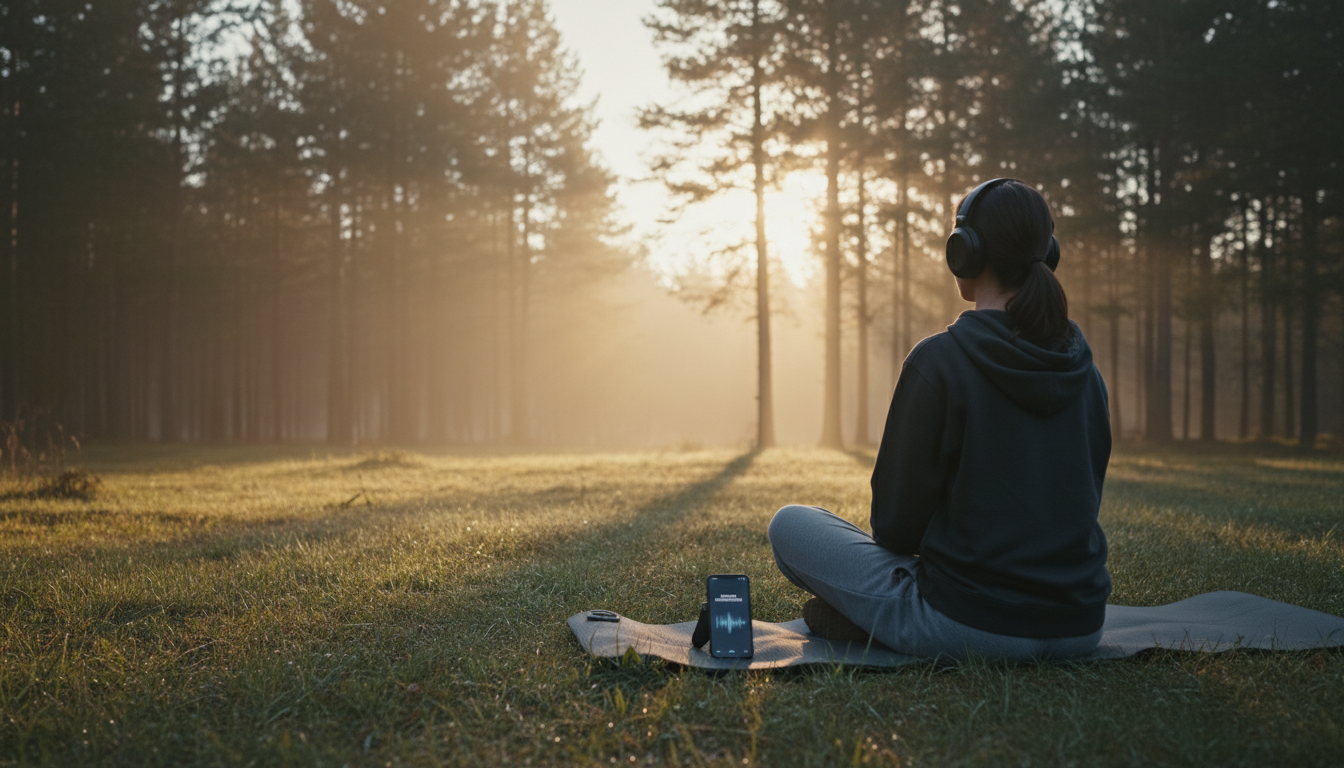
If you're interested in exploring sound healing, there are several ways to incorporate it into your life. You can attend guided sessions with a practitioner, use sound healing apps, or simply listen to relaxing music or nature sounds at home. Experiment to find what resonates with you and supports your well-being.
In conclusion, sound healing is a practice rooted in history and supported by scientific research. By understanding the myths and facts, you can make informed decisions on how to incorporate sound healing into your wellness routine. Remember, while sound healing can be a valuable tool, it should complement, not replace, conventional medical care.