
Myths and Facts About Sound Healing: Debunking Common Misconceptions


Understanding Sound Healing
Sound healing is an ancient practice that uses vibrations from various instruments to promote physical and emotional well-being. Despite its growing popularity, several myths surround this modality, leading to misconceptions about its effectiveness and purpose. In this post, we'll debunk some common myths and present the facts about sound healing.

Myth: Sound Healing is Just New Age Nonsense
One common myth is that sound healing is just a trendy New Age practice with no real benefits. However, sound healing has ancient roots, with practices dating back to Tibetan singing bowls and Aboriginal didgeridoos. Scientific studies have shown that sound vibrations can positively impact the body, aiding in stress reduction and relaxation.
Myth: It's Only About Music
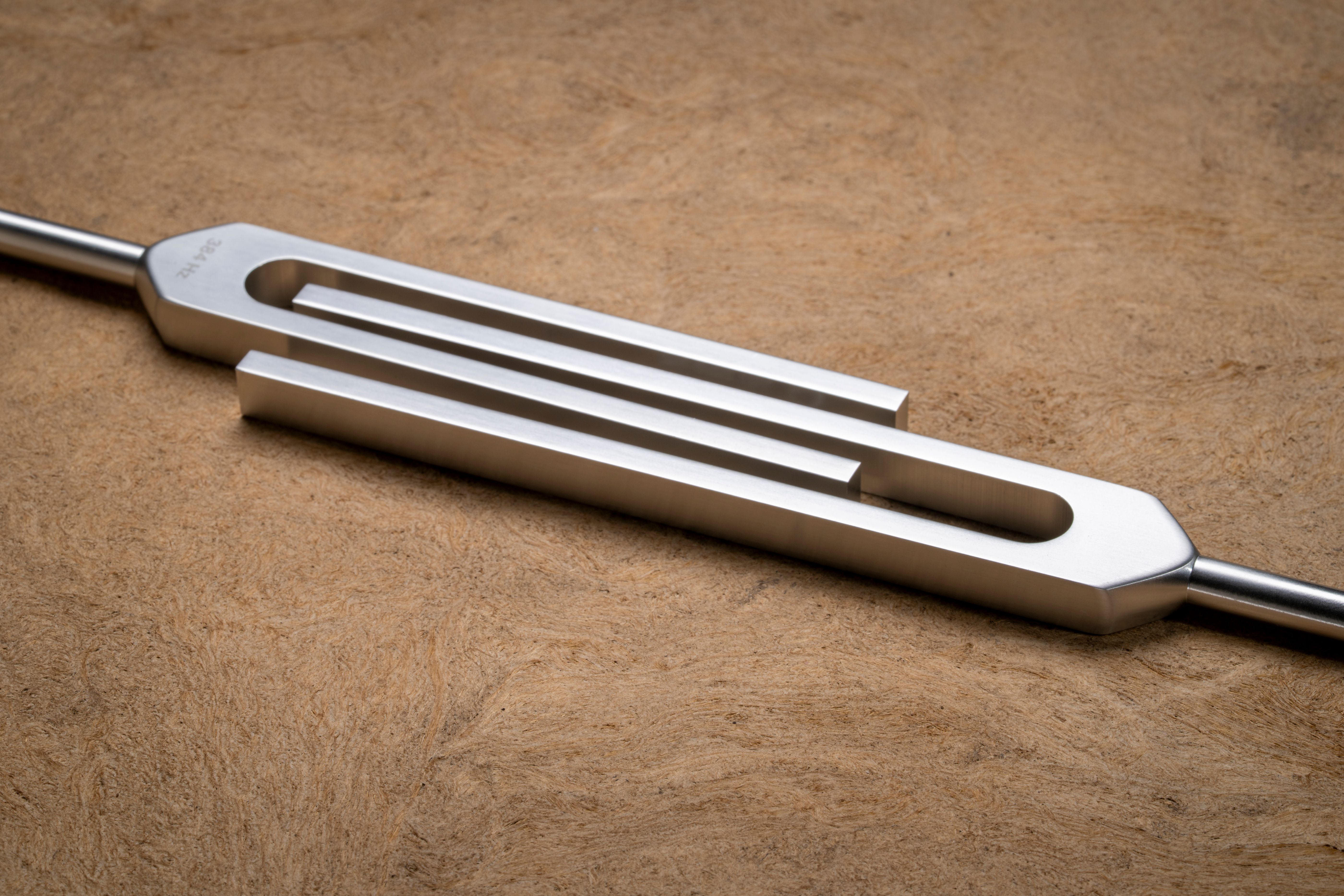
Another misconception is that sound healing is solely about listening to music. While music is a component, sound healing involves various instruments like gongs, tuning forks, and crystal bowls, each offering unique frequencies and benefits. The goal is to use these frequencies to align and balance the body's energy centers.
Fact: Sound Healing Can Aid in Stress Relief
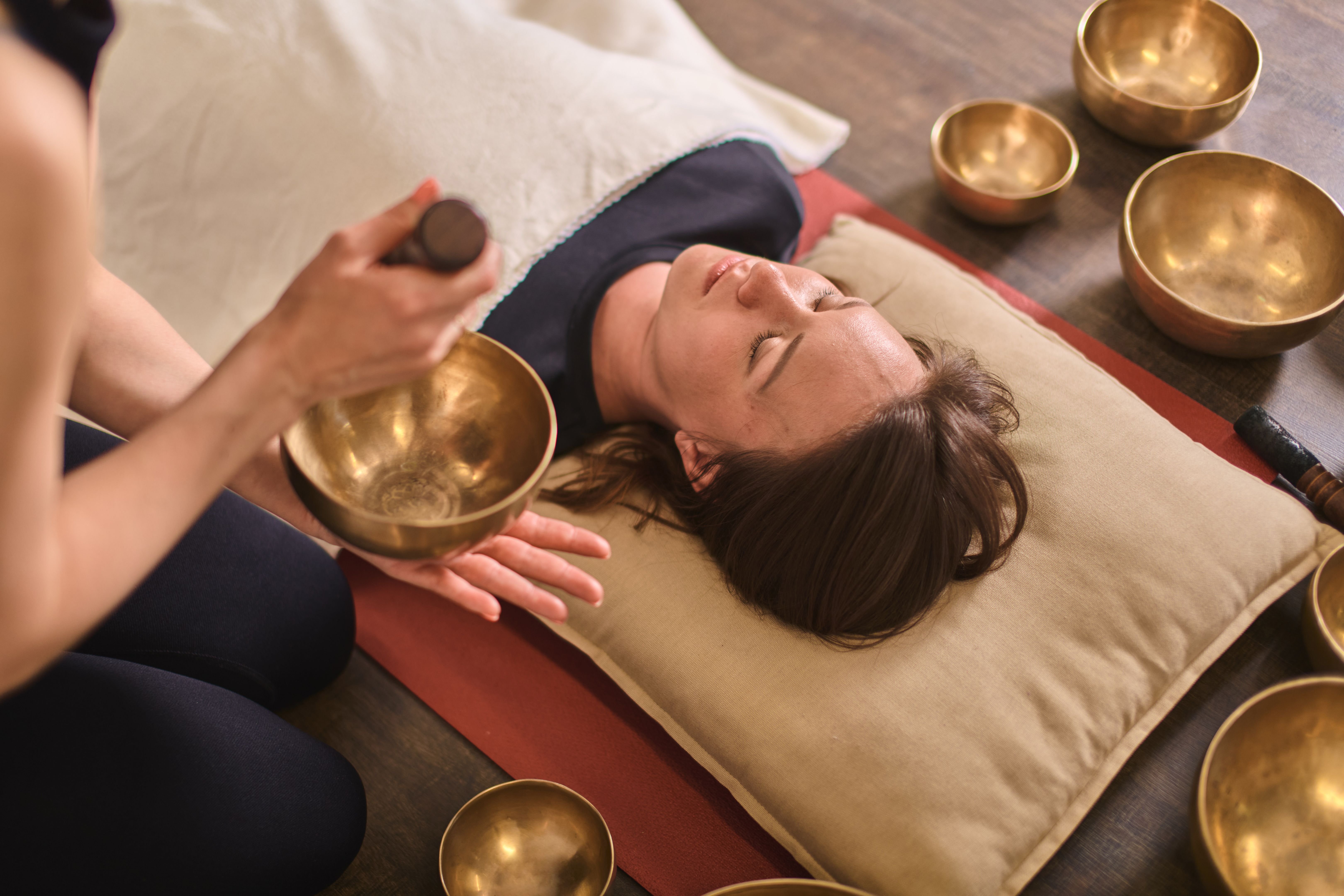
Factually, sound healing can be an effective tool for stress relief. The vibrations can help lower cortisol levels, the hormone associated with stress. Many people report feeling a deep sense of relaxation after a session, similar to the effects of meditation or yoga. This makes it a valuable practice for those looking to unwind and rejuvenate.
Myth: It’s a Cure-All
Some people mistakenly believe that sound healing can cure all ailments. While it can support emotional and physical healing, it is not a substitute for medical treatment. Sound healing should be viewed as a complementary practice that enhances traditional medical care, not replaces it.

Fact: Sound Frequencies Influence Emotions
It's a fact that different sound frequencies can influence our emotions and mental states. For example, certain frequencies can promote feelings of happiness, calmness, or focus. This is because sound waves can alter brainwave patterns, encouraging a shift in emotional states.
Myth: Only Experts Can Practice Sound Healing
While professional sound healers bring expertise and experience, anyone can practice sound healing on a personal level. Simple activities like listening to calming music or using a singing bowl at home can provide benefits. The key is to explore and find what resonates with you personally.
Embracing the Benefits of Sound Healing
Understanding the myths and facts about sound healing allows individuals to appreciate its true potential. Whether you engage with it professionally or personally, sound healing offers a pathway to relaxation, emotional balance, and overall well-being.
As with any wellness practice, it's essential to approach sound healing with an open mind and realistic expectations. By doing so, you can enjoy the harmonious benefits it has to offer.