
Myth-Busting: Common Misconceptions About Sound Healing


Understanding Sound Healing
Sound healing is an ancient practice that uses sound frequencies to improve physical and mental well-being. However, it is often surrounded by misconceptions that can deter people from exploring its benefits. In this post, we’ll address some common myths and offer a clearer understanding of what sound healing truly involves.

Myth 1: Sound Healing is Just a Trend
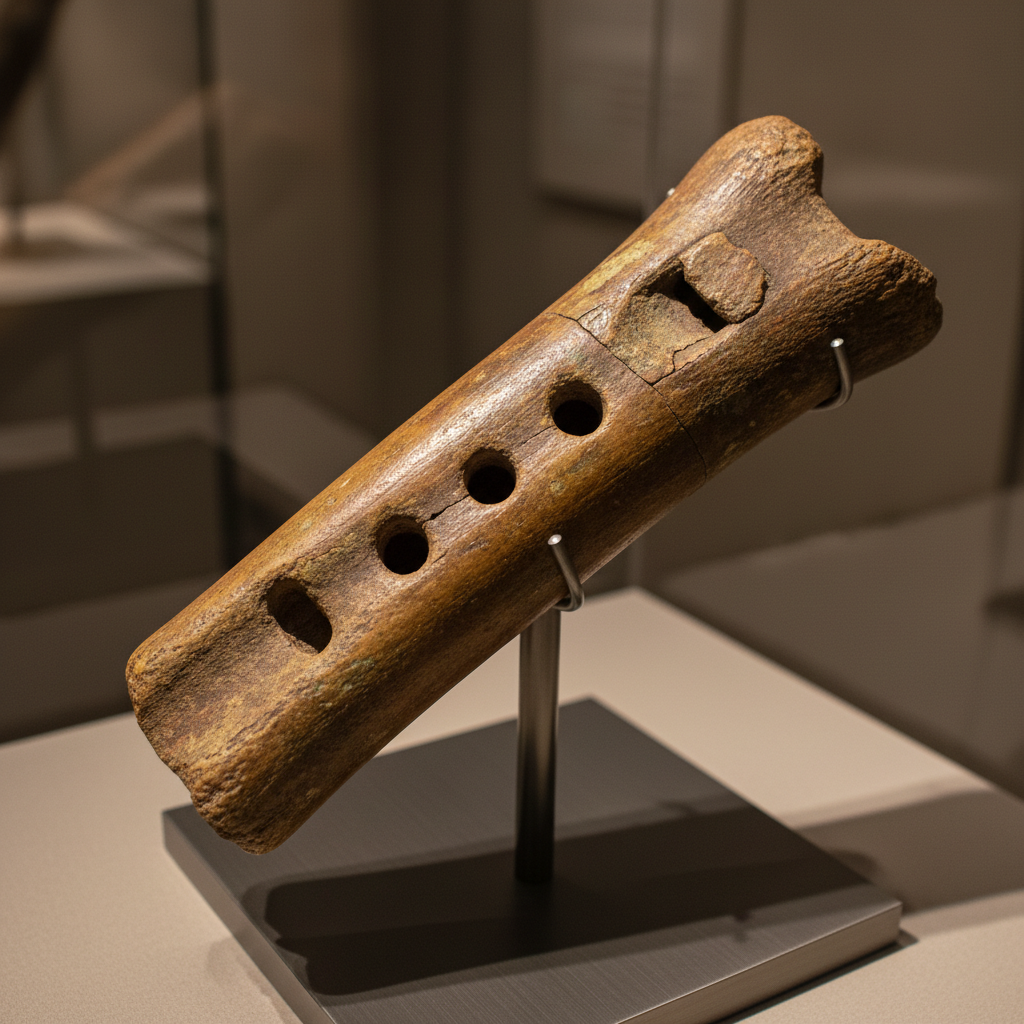
One of the biggest misconceptions is that sound healing is merely a modern wellness trend. In reality, sound healing has deep historical roots, dating back to ancient civilizations such as the Egyptians and Greeks, who used sound for therapeutic purposes. It is a time-tested practice that continues to evolve with modern research and understanding.
Exploring Ancient Practices
Many cultures have used sound in rituals and healing practices. Tibetan singing bowls, Aboriginal didgeridoos, and Native American flutes are just a few examples of instruments used for centuries to promote healing and spiritual growth.
Myth 2: It’s Only for Meditation Enthusiasts
While sound healing is popular among those who practice meditation, its benefits extend far beyond this group. Sound therapy can aid in reducing stress, alleviating pain, and promoting better sleep, making it accessible to anyone seeking improved well-being, regardless of their meditation experience.
Benefits for Everyone
Sound healing can support a wide range of people, from those dealing with chronic pain to individuals seeking mental clarity. Its applications in therapy and wellness programs are vast and varied, offering something for everyone.

Myth 3: The Effects Are Not Scientifically Supported
Another common belief is that sound healing lacks scientific backing. However, numerous studies have shown that sound frequencies can influence brainwave patterns, reduce stress hormones, and even boost the immune system. These findings suggest a tangible impact on health and well-being.
Research and Evidence
Researchers are increasingly exploring the physiological effects of sound on the body. Studies have demonstrated how sound can alter cellular structure and promote healing, providing a solid foundation for its therapeutic use.

Myth 4: All Sounds Have the Same Effect
It’s a misconception that any sound will produce the same healing effect. In reality, different frequencies and types of sounds can target specific physical and emotional issues. Tailoring sound therapy to an individual's needs is crucial for effective healing.
Personalized Sound Therapy
Practitioners often create personalized soundscapes to address specific concerns, using a combination of tones, rhythms, and harmonics. This customization enhances the therapeutic impact, making each session unique to the individual's needs.

By debunking these common myths, we can appreciate sound healing as a valuable tool for enhancing well-being. Its rich history, diverse applications, and growing scientific support make it a practice worth exploring for anyone interested in holistic health.