How to Create Your Own Sound Healing Space at Home


Understanding Sound Healing
Sound healing is an ancient practice that uses the vibrational frequencies of sound to promote relaxation and healing. It can reduce stress, alleviate pain, and enhance overall well-being. Creating a dedicated sound healing space at home can help you tap into these benefits whenever you need them.

Choosing the Right Space
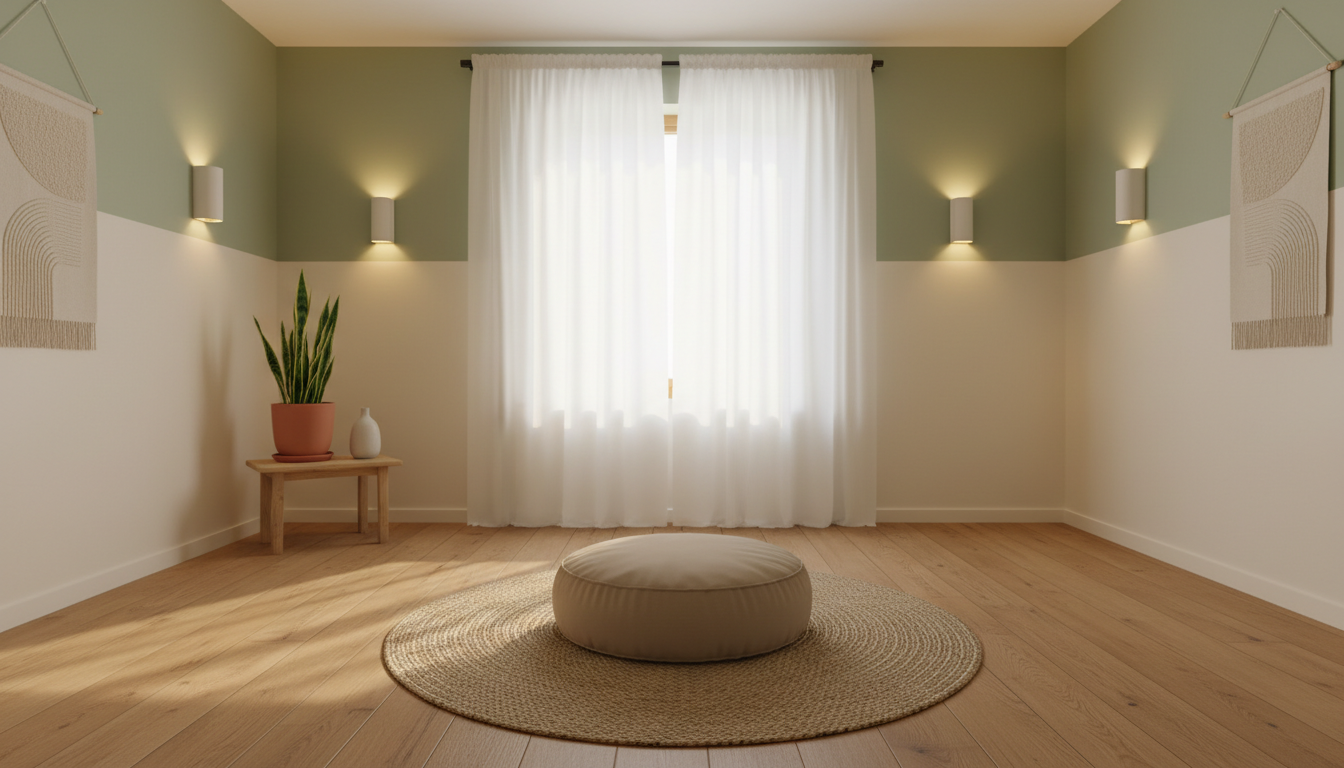
Your first step in creating a sound healing space is selecting the right area in your home. Choose a room or corner that feels peaceful and is free from distractions. Ideally, it should be a place where natural light can enter, as this enhances the calming atmosphere.
Consider Acoustics
The acoustics of your space play a crucial role in sound healing. Opt for a room with soft furnishings like carpets and curtains to help absorb unwanted noise. If possible, avoid spaces with too much echo, as this can disrupt your sound healing experience.
Selecting Sound Instruments
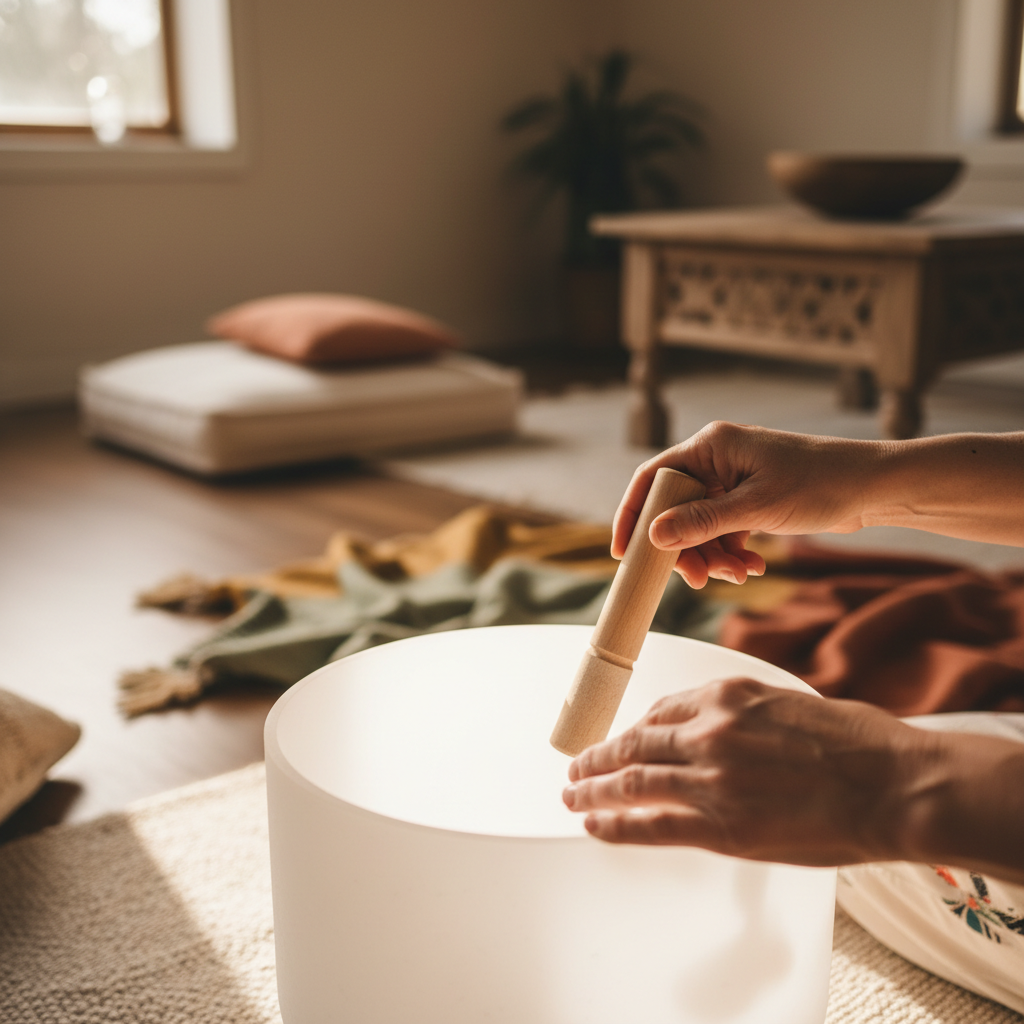
The tools you use for sound healing are fundamental. Common instruments include singing bowls, gongs, and tuning forks. Each offers unique frequencies, so choose ones that resonate with you personally. You might want to start with a single instrument and expand your collection over time.
Digital Sound Options
If you're not ready to invest in physical instruments, consider using digital sound healing tracks. There are numerous apps and online resources that offer high-quality sound recordings specifically designed for healing and meditation.
Setting the Ambiance
Creating the right ambiance is essential for effective sound healing. Consider incorporating elements like candles, essential oils, and soft lighting. These additions can help deepen your relaxation and enhance the healing experience.
Decor and Comfort
Ensure your space is comfortable. Add cushions, blankets, or a comfortable chair to sit on. The decor should be minimal yet personal, reflecting your taste and promoting a sense of tranquility.
Establishing a Routine
Consistency is key in sound healing. Establish a regular routine, whether it's daily or several times a week. This helps your body and mind become more attuned to the healing process, allowing for deeper relaxation over time.
Personalize Your Practice
Make your sound healing practice personal. Whether it's by journaling your experiences, combining it with meditation, or focusing on specific intentions, customization will make your practice more meaningful and effective.
Conclusion
Creating a sound healing space at home is a rewarding journey towards better health and well-being. By choosing the right space, selecting suitable instruments, setting the ambiance, and establishing a routine, you can cultivate a sanctuary that nurtures your mind, body, and spirit.