DIY Sound Therapy: Simple Techniques to Try at Home


Sound therapy is an ancient practice that uses sound waves to promote healing and relaxation. While professional sound therapy sessions are wonderful, you can easily try some simple techniques at home. This DIY approach allows you to explore the benefits of sound therapy at your own pace and comfort.
Understanding Sound Therapy
Sound therapy involves the use of specific sounds, tones, and frequencies to create a peaceful and healing environment. The vibrations from these sounds can help reduce stress, improve concentration, and enhance overall well-being. By incorporating sound therapy into your daily routine, you can cultivate a sense of balance and harmony in your life.
Simple Techniques to Try
1. Singing Bowls
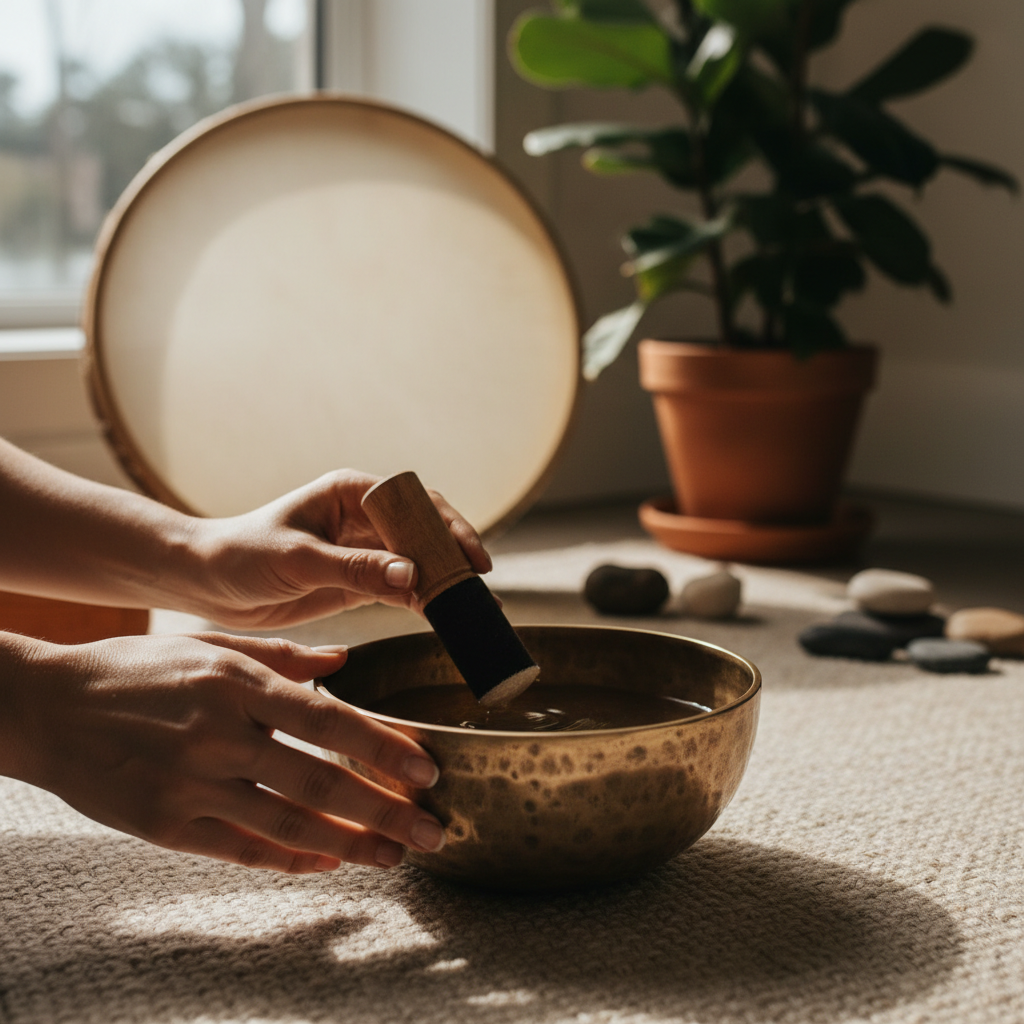
Singing bowls are popular tools in sound therapy. These bowls produce resonant sounds when struck or circled with a mallet. To use a singing bowl, sit comfortably and gently strike the bowl or run the mallet around its rim. Close your eyes and focus on the sound, allowing it to wash over you and bring relaxation.
2. Tuning Forks
Tuning forks are another effective tool. They produce precise frequencies that can be applied to specific areas of the body to promote healing. Strike the tuning fork lightly and place it near your ears or on a tense muscle. Feel the vibration and let it resonate through your body, releasing tension and stress.
3. DIY Sound Bath
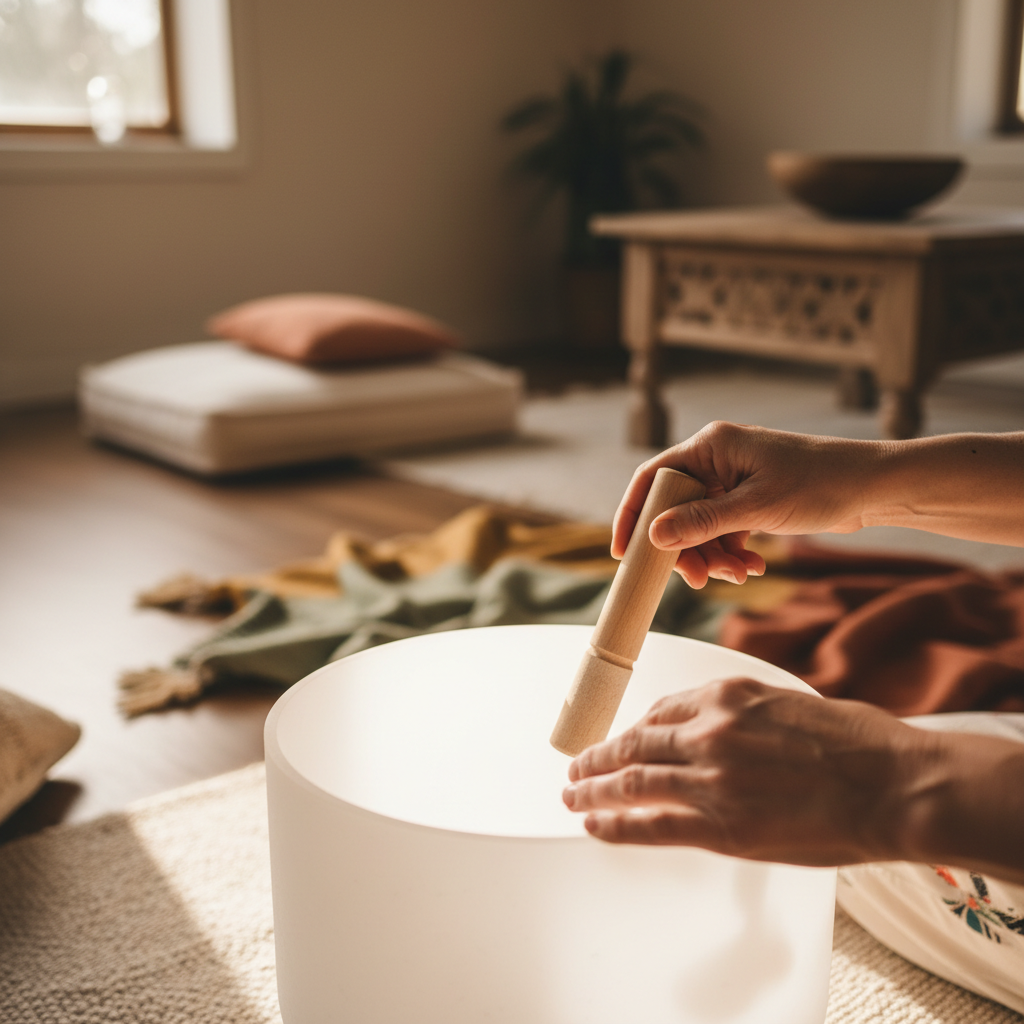
Creating a sound bath at home is a wonderful way to immerse yourself in healing sounds. Use a combination of singing bowls, chimes, or even recordings of natural sounds like ocean waves or rain. Lie down comfortably, close your eyes, and let the sounds envelop you, creating a meditative state.
Using Everyday Objects
You don't need specialized equipment to enjoy sound therapy. Many everyday objects can produce soothing sounds. Experiment with items such as wine glasses, which can be played by rubbing a wet finger around the rim, or percussion instruments like shakers and tambourines.

4. Guided Meditation with Sound
Another effective technique is to combine sound therapy with guided meditation. Many apps and online platforms offer recordings that incorporate soundscapes with meditation guidance. This combination can deepen your practice, helping you to achieve greater relaxation and focus.
Benefits of Regular Practice
Incorporating sound therapy into your daily routine can offer an array of benefits. These may include reduced anxiety, improved sleep quality, and enhanced mental clarity. Regular practice can also help you develop a deeper connection with yourself, promoting inner peace and emotional balance.
Remember, sound therapy is highly personal, and what works for one person may not work for another. Experiment with different sounds and techniques to discover what resonates best with you. Embrace this journey of self-discovery and healing through sound.