
Demystifying Sound Healing: Myths and Facts


Understanding Sound Healing
Sound healing is an ancient practice that uses vibrations to relax the mind and body. While it has grown in popularity, many myths and misunderstandings surround it. Let's explore the real benefits and dispel some common misconceptions about sound healing.
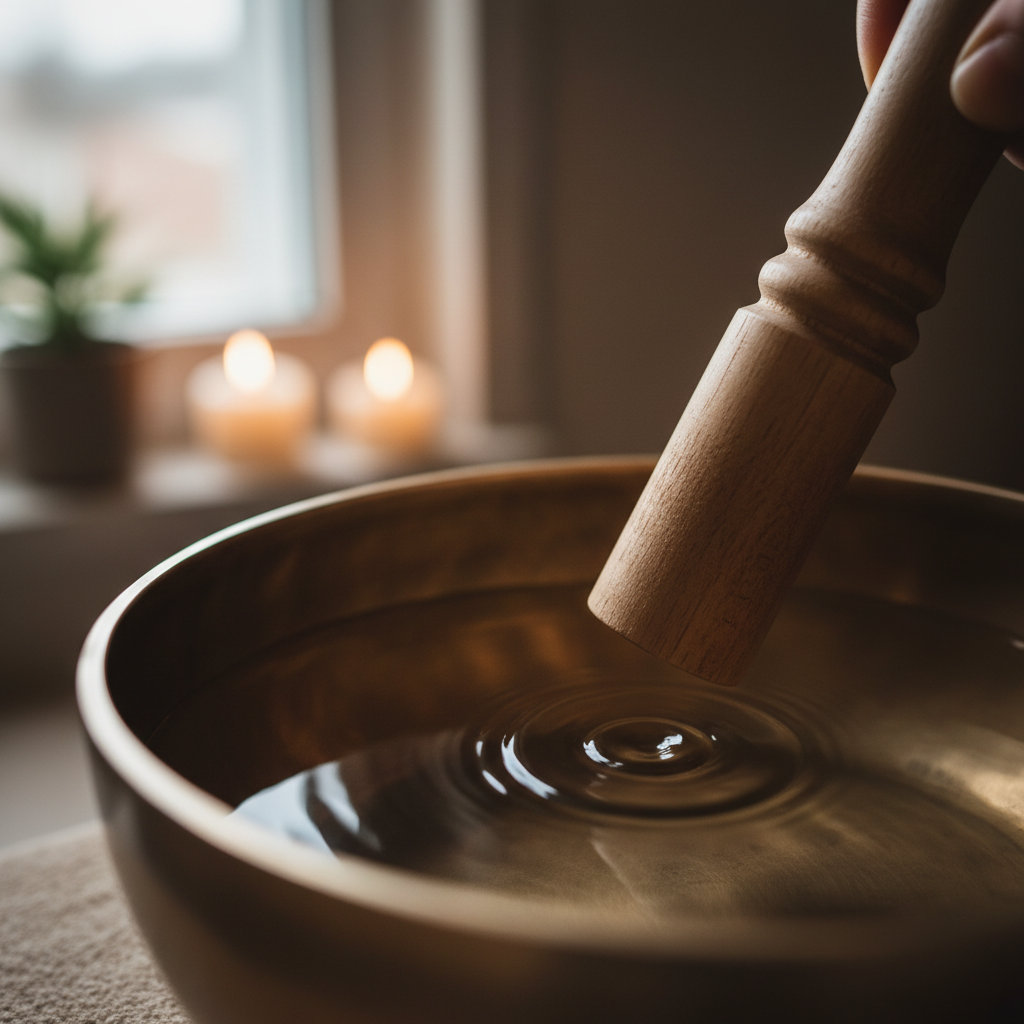
The principle behind sound healing is straightforward: certain sounds can influence our mental and physical states. Practitioners use various tools, such as tuning forks, gongs, and singing bowls, to create these therapeutic vibrations.
Myth: Sound Healing is Just a Trend
One common myth is that sound healing is merely a fad. However, the practice dates back thousands of years. Ancient cultures, including Egyptians, Greeks, and Tibetans, have long utilized sound for healing and spiritual purposes.
Modern science is catching up, with research indicating that sound frequencies can positively affect brainwaves, leading to improved mental health and relaxation.
Fact: Sound Healing Promotes Relaxation
Sound healing is effective in promoting relaxation and stress reduction. The soothing vibrations can help lower anxiety levels and improve overall well-being. This is particularly beneficial in our fast-paced world, where stress is a common ailment.

Many people report feeling more centered and peaceful after a sound healing session. This is because the vibrations can help balance the body's energy systems, fostering a sense of calmness.
Myth: It's Only for Spiritual People
Another misconception is that sound healing is solely for those on a spiritual path. In reality, anyone can benefit from its calming effects, regardless of their spiritual beliefs. It's about enjoying the moment and allowing the sounds to wash over you.
Sound healing sessions are often used in therapeutic settings, helping individuals with various mental and physical conditions find relief.

Fact: Sound Healing Can Support Physical Health
Beyond mental relaxation, sound healing can support physical health by reducing pain and tension. The vibrations can encourage the release of endorphins, the body's natural painkillers, leading to a decrease in physical discomfort.
While it shouldn't replace conventional medical treatments, incorporating sound healing can be a complementary approach to enhancing overall health.
Exploring Sound Healing for Yourself
Interested in trying sound healing? Here are a few steps to get started:
- Find a qualified practitioner in your area.
- Attend a group sound bath session or try a one-on-one session.
- Listen to sound healing recordings at home for relaxation.
By experiencing it firsthand, you can determine how sound healing fits into your personal wellness journey.
Conclusion
Sound healing is more than just a trend; it's a practice rooted in history and supported by emerging research. By understanding the myths and facts, you can appreciate its potential benefits and decide if it's right for you. Whether you're looking for relaxation or a complementary therapy, sound healing offers a unique path to wellness.