Debunking Myths About Sound Healing: What You Need to Know


Understanding Sound Healing
Sound healing has been practiced for centuries across various cultures. It involves using sound frequencies to improve physical and emotional well-being. Despite its long history, numerous myths persist about its effectiveness and application.
Myth 1: Sound Healing Is Just a Placebo
One common misconception is that sound healing works purely as a placebo. While belief can enhance the healing experience, sound therapy has scientific backing. Studies have shown that sound frequencies can influence brainwave patterns, leading to relaxation and stress reduction.
For example, binaural beats are known to foster a meditative state, which can be beneficial for reducing anxiety and improving focus. This indicates a measurable effect beyond mere placebo.
Myth 2: It's Only for Spiritual People
Another myth is that sound healing is exclusively for those with spiritual inclinations. In reality, sound therapy is accessible to anyone. Its benefits, such as stress relief and improved mental clarity, are universal and not limited to any particular belief system.

Many people incorporate sound healing into their self-care routines without any spiritual context. It can be as simple as listening to calming music or attending a sound bath session.
Myth 3: There’s No Science Behind It
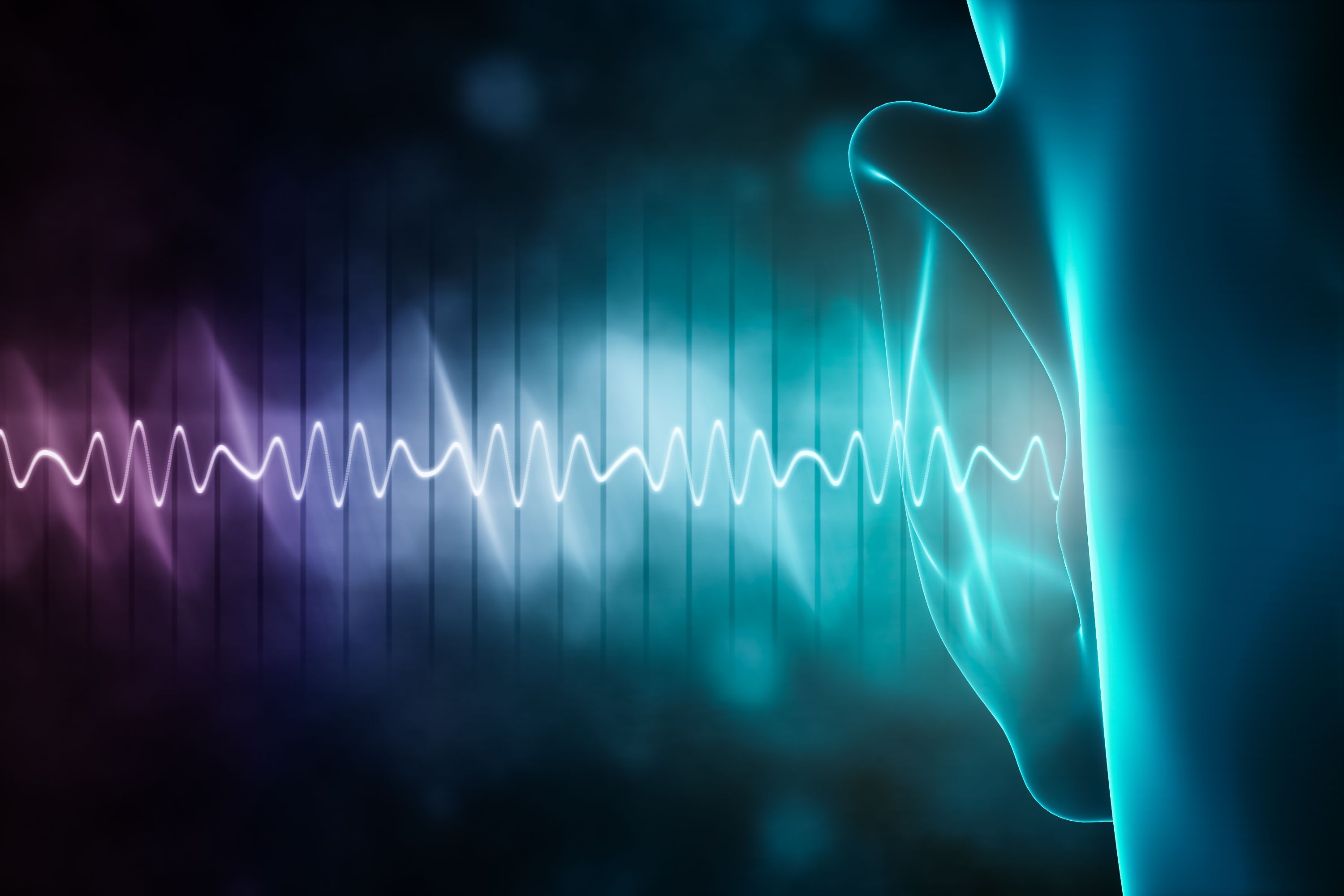
Contrary to popular belief, there is scientific research supporting the benefits of sound healing. Studies have explored how sound waves can influence the body’s physiological processes. For instance, certain frequencies can stimulate the vagus nerve, which plays a role in regulating stress.
Furthermore, sound therapy has been found to lower blood pressure and heart rate, contributing to overall well-being. These findings highlight its potential as a complementary therapy.
Myth 4: All Sound Healing Is the Same
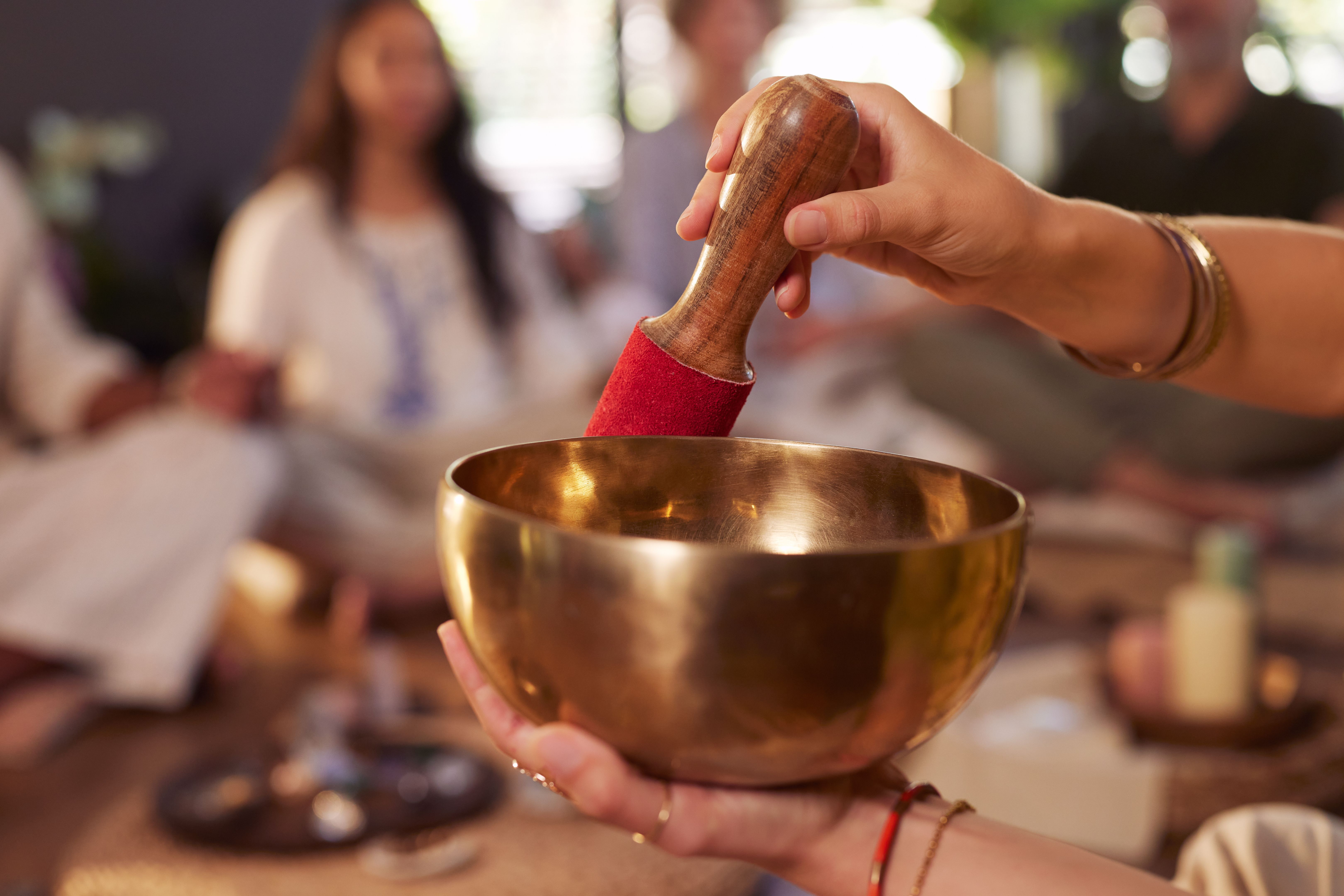
Sound healing is not a one-size-fits-all approach. It encompasses a range of techniques, each with its unique benefits. From Tibetan singing bowls to tuning forks, different methods target specific needs and preferences.
- Tibetan Singing Bowls: Often used for deep relaxation.
- Gongs: Known for their powerful vibrations that can release tension.
- Tuning Forks: Utilized for precise frequency therapy.
This variety allows individuals to find a method that resonates with them personally.
Conclusion: Embracing Sound Healing
By debunking these myths, we can better appreciate the potential of sound healing as a tool for enhancing well-being. Whether you’re seeking relaxation, stress relief, or mental clarity, sound therapy offers a range of benefits supported by both tradition and science.